

Case study
OpsTalent
A responsive B2B content system shaped from early direction through frontend delivery.
OpsTalent is a B2B website for an outsourcing and technology company. I helped clarify the message and shape the final design and content, then led the responsive frontend implementation and GraphQL-backed content system.
- Role
- Lead frontend implementation
- Period
- 2019-2021
- Scope
- Clarified intent, scope, design, content, and delivery expectations with project stakeholders, then led the responsive frontend implementation and GraphQL-backed content system.
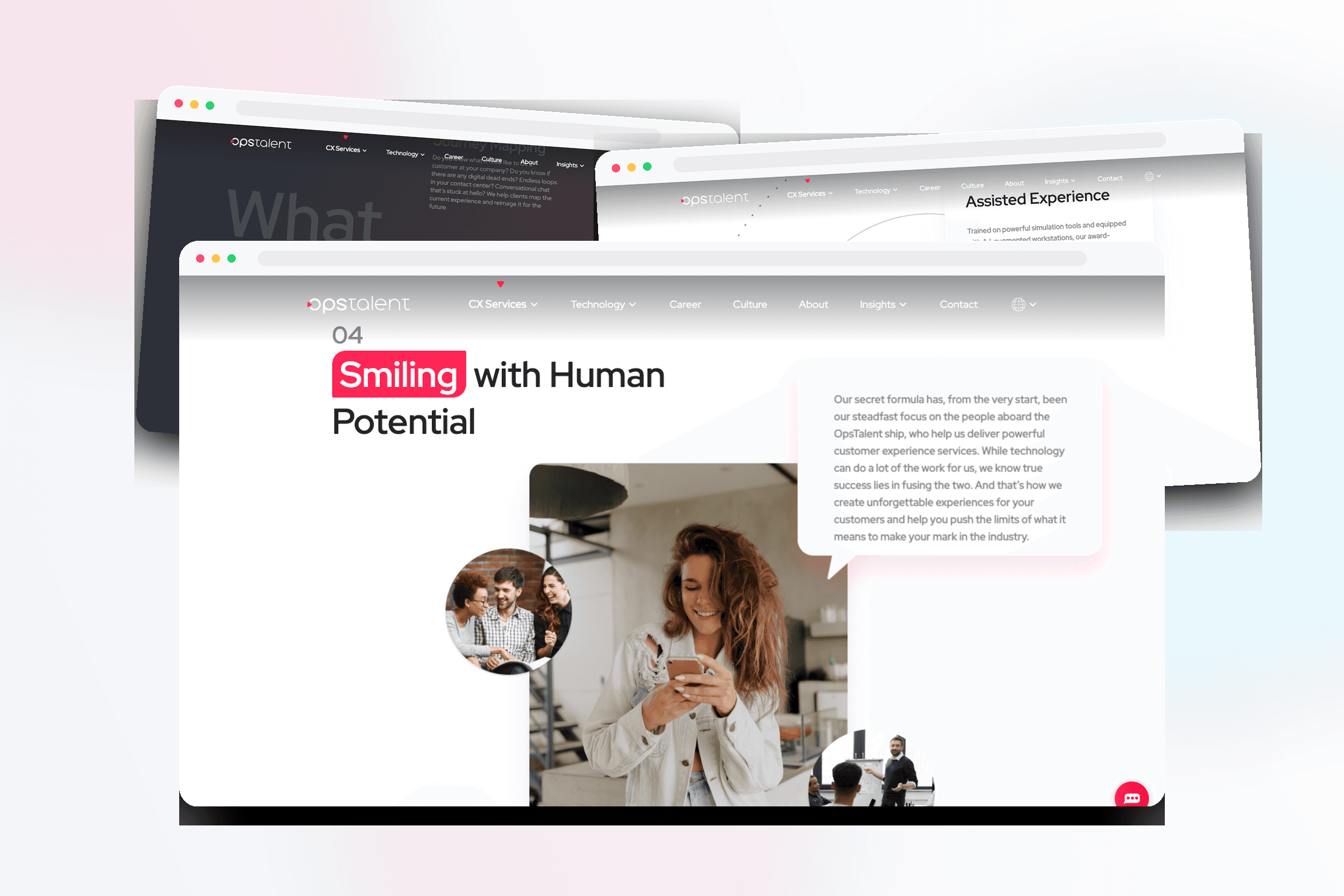
Direction and delivery
Clarify the message before building the site
The project started with questions about what the website needed to say, who it needed to help, and which parts of the direction were still open. I gathered the requirements, clarified the intent behind them, set practical limits, and outlined a realistic delivery sequence.
The company needed to explain customer experience, technical support, outsourcing, technology, and digital products without turning the website into a catalogue. That work shaped the final design and content before I led the frontend implementation.
Content rules
Turn variable content into reusable sections
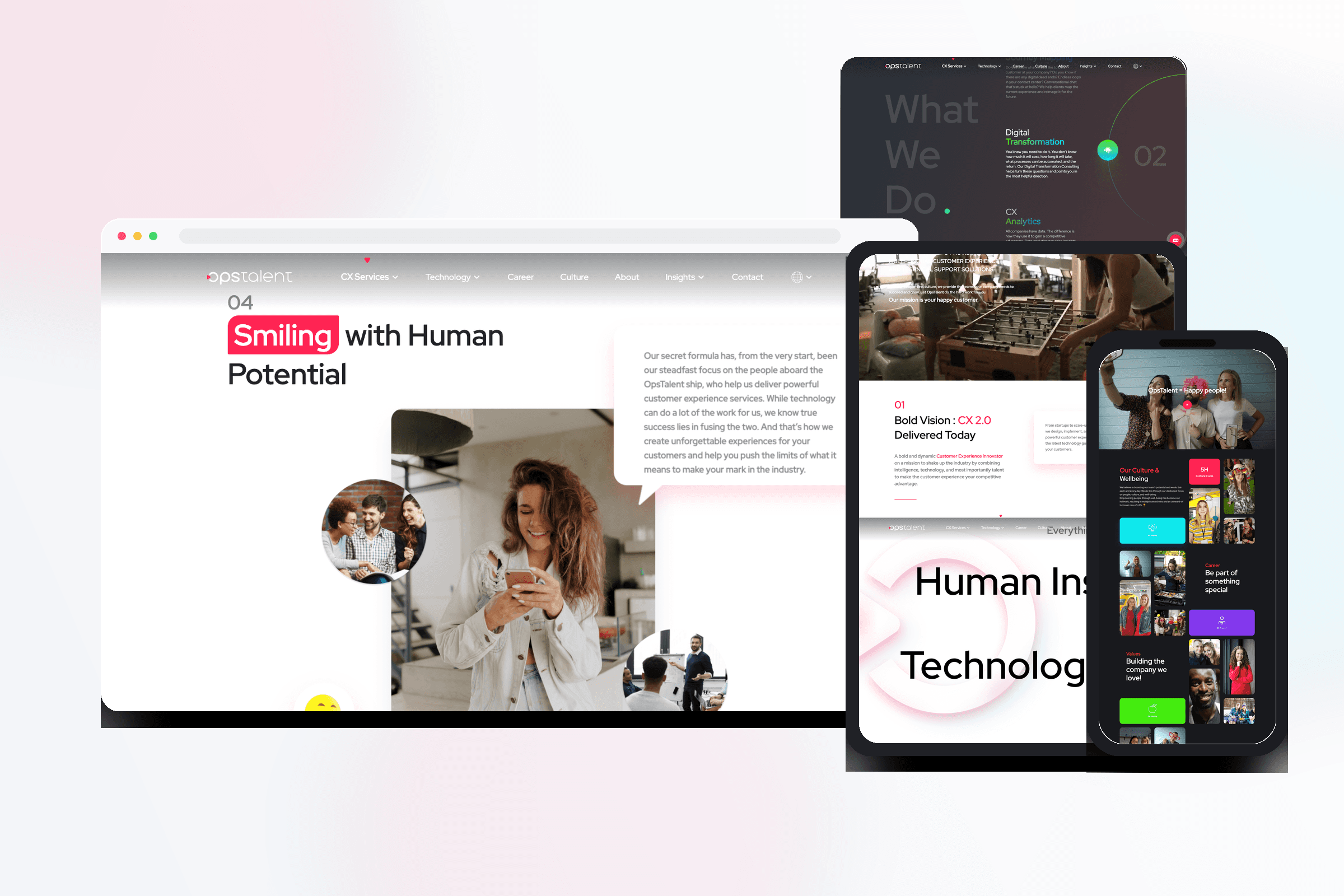
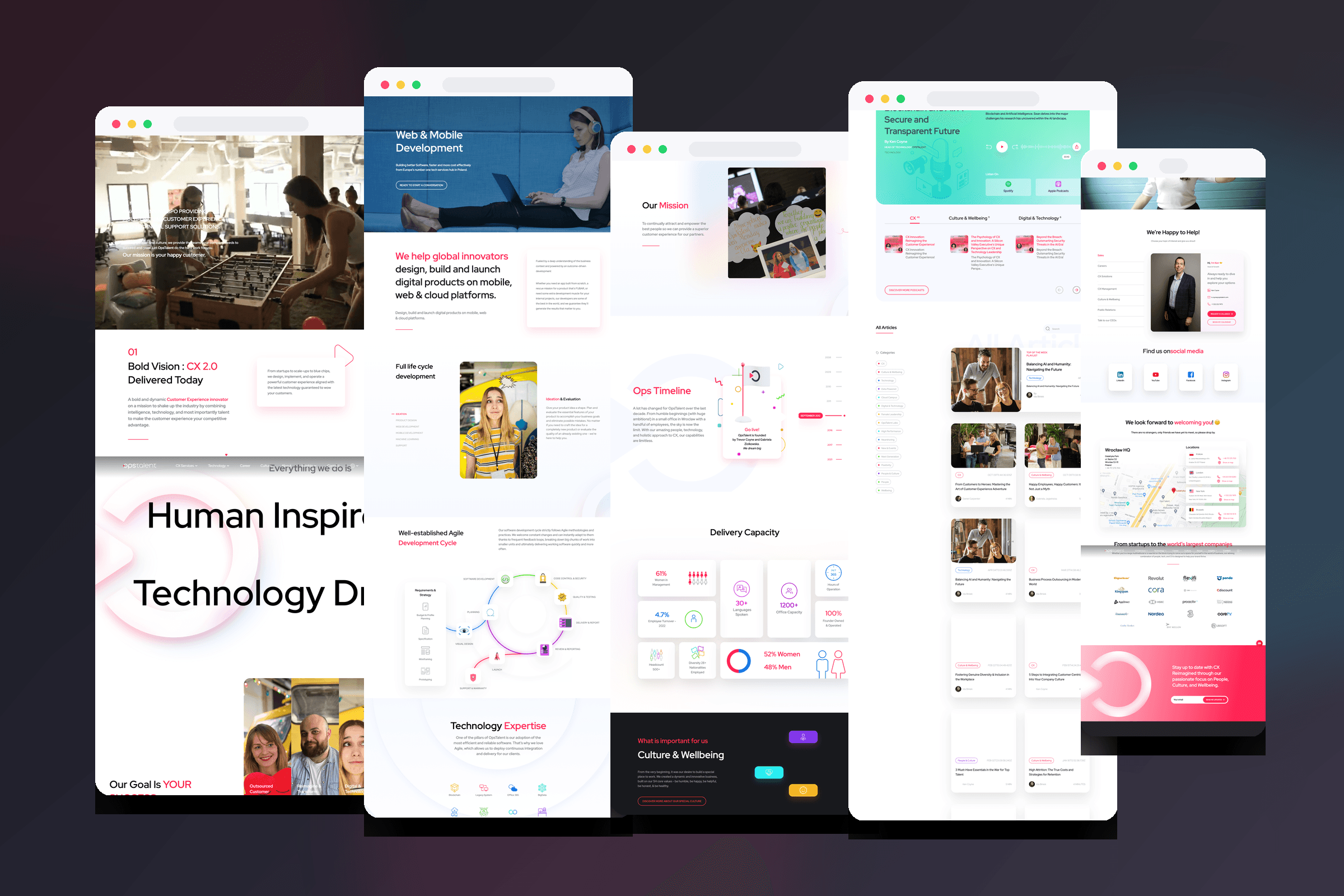
Services, cases, editorial material, company culture, careers, and contact needed clear paths without requiring a custom layout for every page. I defined reusable content relationships so variable titles, copy, imagery, and module combinations could still produce a coherent reading order.
On smaller screens, columns collapse and media moves, but the message still has to make sense in sequence. Calls to action stay attached to the content they belong to, and navigation remains organized around the visitor's task.
Responsive implementation
Keep the content model separate from page releases
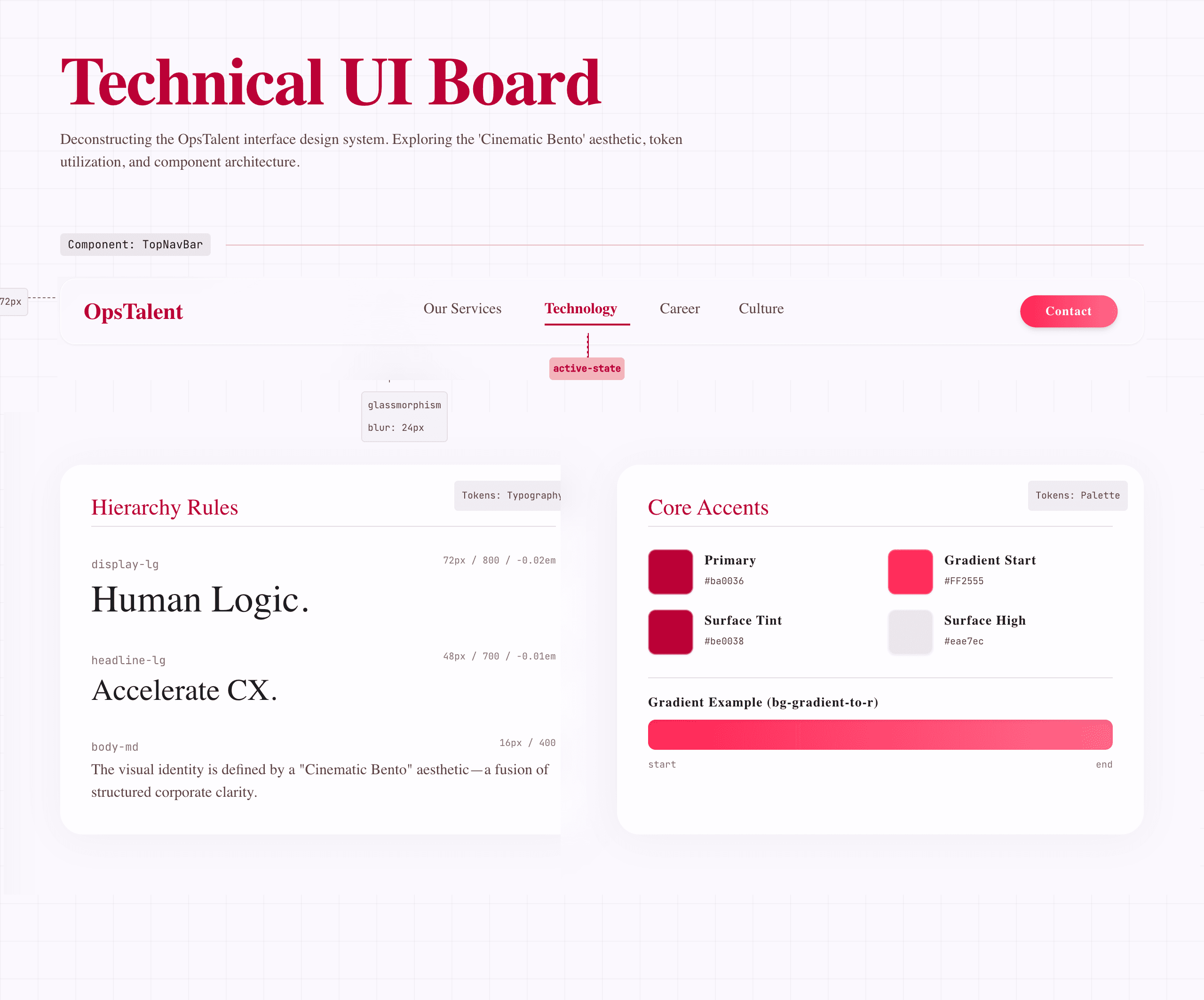
I implemented the responsive site in React and Next.js around reusable sections with clear GraphQL contracts instead of page-specific markup. The frontend treats variable content as the normal case rather than tuning each layout around one fixed set of words or media.
The GraphQL-backed content model separates publishing from frontend releases. Editors can combine the supported sections while the frontend preserves the layout and reading rules across full pages and screen sizes.
- Accept variable copy, media, and module combinations.
- Preserve reading order when layouts collapse.
- Check responsive behavior across complete pages.
What shipped
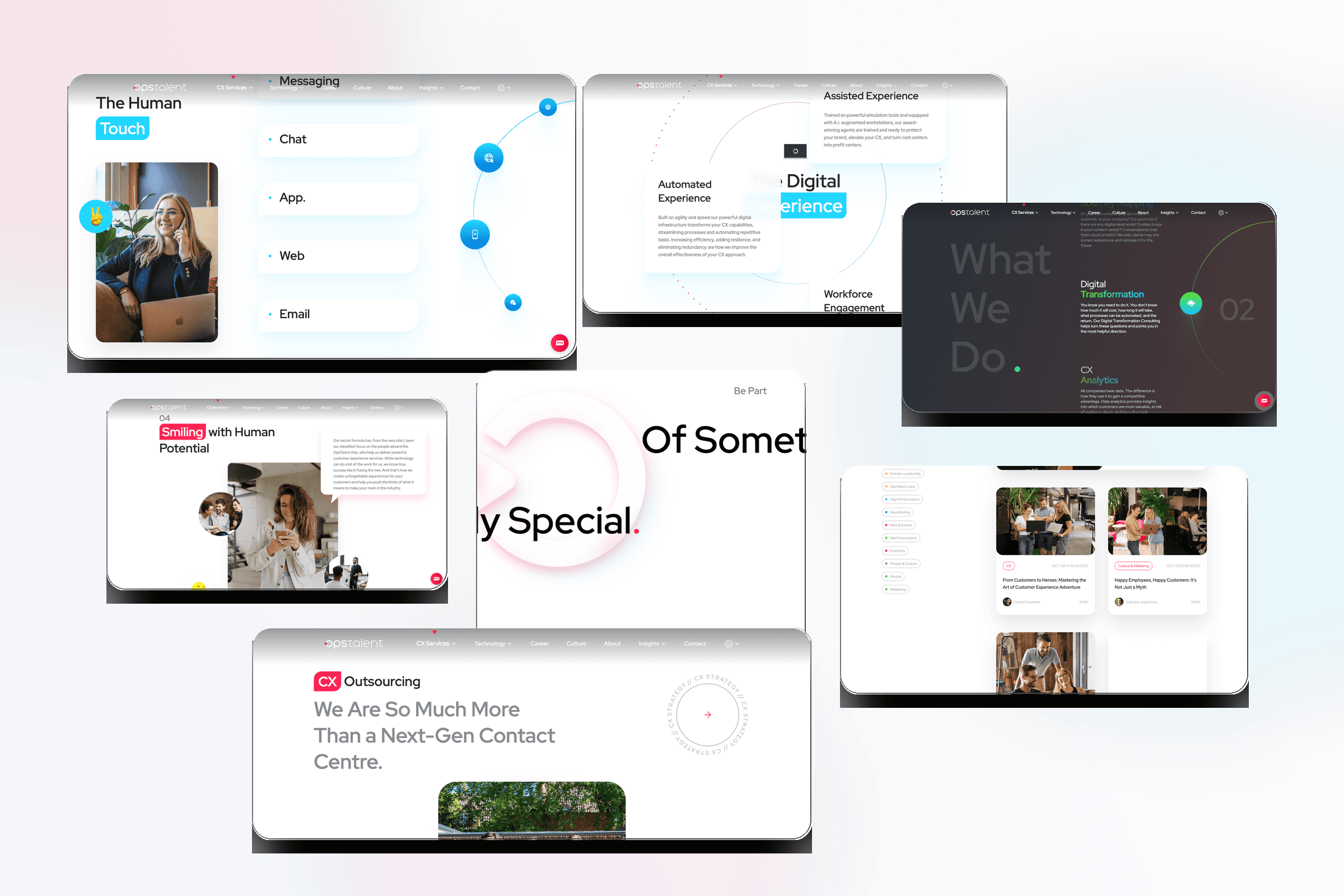
A website that can be edited as a system
The project delivered a responsive frontend and a reusable GraphQL-backed content structure for services, editorial material, company culture, careers, and contact. The company can independently publish and reorganize its content within that system.
The project reinforced that frontend work can clarify the product before it becomes code. Defining content relationships and delivery boundaries early gave both the implementation and future page changes a clearer structure.